

Recorded in 1973 yet released only decades later, “Pre“ (Progressive Rock Experience)occupies a unique and fascinating position within the history of American Progressive Rock. Long considered a cult work among dedicated
listeners, the album has finally found its definitive vinyl presentation thanks to the recent PQR Disques reissue. Rather than looking at the record through the lens of nostalgia alone, this interview aims to explore the band’s origins, creative process, and musical vision, shedding light on the circumstances that shaped “Pre” and on
what this long-overlooked album represents today.
Let’s start from the beginning: how did Pre come together as a band, and what were the initial motivations that led you to start making music collectively?
My brother Al and I were living in Pennsylvania and performing with a band that played the upper east coast area of PA and New Jersey, when we started writing some of the material (on an old reel to reel tape recorder) that PRE recorded later that year. After the PA group disbanded, a friend of ours who worked in a booking agency in Lexington, Kentucky recommended we come back home and work with musicians from that area. So, we made the trip. On our way into town, we picked up Brian in Morehead Kentucky meeting him for the first time. Once we got to town, Steve and Dwight joined up. We jammed in Dwight’s parents basement, everything jelled pretty quickly and we had fun, so we decided to make the move to Lexington from Pennsylvania and see where the music would lead us.
In the early 1970s, Progressive Rock was still a developing language, especially in the United States. How aware were you of being part of a broader movement at the time,and how did you perceive the Progressive Rock scene around you?
Progressive Rock was becoming sort of popular at the time with bands such as Zeppelin, Yes, ELP, Genesis, Gentle Giant and that’s the style we liked to listen to and play after playing covers from some of these groups. The progressive rock scene was just beginning to develop but you could feel something was changing in music. People were open to more long-form, musically ambitious journeys.
Can you describe the musical environment of your local scene and state during those years? Were there venues, bands, or audiences that supported more ambitious and experimental music?
There were different styles of music that people were listening to and bands were playing. Actually, people were open to many styles of music and people came out to various venues and bars to listen to bands. Our musician friends were often in several groups, playing different genres and building a following based on talent. Crowds would follow them around and the shows PRE performed, that I remember, were well attended. More importantly, as band PRE had fun playing together.
What were the main musical influences that shaped your sound in that period, and how did you balance those inspirations with the desire to develop a personal and recognizable identity?
At the time, everyone in the band were progressive rock fans but there were other influences mingled in as well from earlier styles like rock, blues, jazz and clasissical. You can here these influences come together in the PRE album. I feel the other influences that each member had when they added their parts was the key to making it exciting.
“Pre” was recorded in 1973, yet it remained unreleased for many years. Could you walk us through the circumstances surrounding the recording sessions and the expectations you had for the album at that time?
From the time we met to five weeks later, we had written, rehearsed and recorded a polished record. I feel that’s an acomplishment in itself. It’s the only time in my career that I have been part of such an effortless process. We had a
plan and shopped the album in New York City with a label, Columbia Records. We had sent the album to several labels, but they were the ones who we actually got in to see. Speaking for myself, I hoped people would love the music and we could perform it for large audiences. I believed in the music and still do.
Why did the album not see an official release back then? Were the reasons mainly related to the music industry, the market, or personal circumstances within the band?
I would say it’s all three. We had a meeting with an A&R person at Columbia and the interview was going well when the phone rang and suddenly the interview was cut short. Come to find out that was the day CBS fired Clive Davis and a lot of his staff. The person we were intervieing with was one of the casualties of that day and the band didn’t get a recording deal after that. I think the personal issues weighing on the band members were financial for the most part. Making a living as a musician was not easy. That’s one of the reasons people were playing in mutlitple bands. When you’re having a tough time making a living at it you have to make choices for your family and future.
When the album finally surfaced on CD in the early 1990s, how did you react to hearing this material officially released after such a long period? Did it change the way you viewed the album or that phase of your musical journey?
When I heard the material was being released it brought back fond memories and feelings of some vindication. I thought, wow after all those years it’s finally going to see the light of day. What a pleasent surprise on this musical journey. It confirms what I have lived my life knowing, music is universal and timeless.
The album is characterized by long-form compositions and extended suites. How did pieces like “Ascetic Eros / Hymn Of Transfiguration” and “Ballet For A Blind Man” come to life, and what was your approach to structuring such expansive works?
I mentioned earlier that Al and I had started writing together in Pennsylvania and several of those ideas were the beginnings of those pieces. We started developing those early ideas after PRE formed and they just took off the more we worked on them. We would work out a section and then someone would add ideas to it and expand it as we rehearsed it live, prior to recording. This was back when recording was a live process and not individually built digital tracks. The first run-through in the studio we would record it all live and focus on getting a good sounding drum track to anchor the song. Sometimes the first take would be the best and others we would do some limited overdubs.
Was the writing process for these longer pieces mainly collaborative, or did individual members bring in fully formed ideas that were then developed collectively?
Al and I had song ideas from just starting to write together and Brian had a couple of songs. It was a democratic process, for the most part. We tried out new parts and ideas as we along. It was usually pretty much group consensus on what worked and what didn’t. We all had a hand at arranging, and then everybody added their parts.
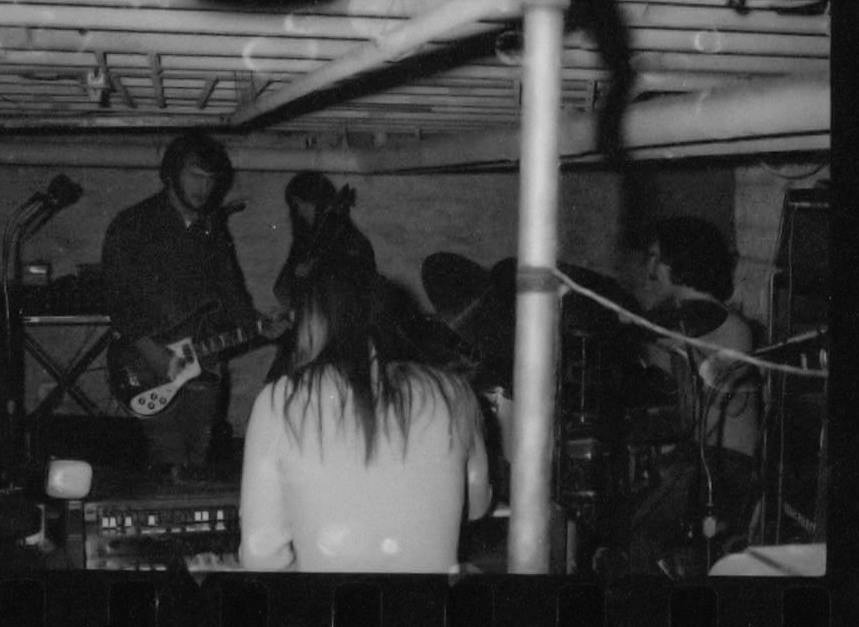
The interplay between keyboards and guitars plays a central role throughout the album. How consciously did you work on these arrangements, and what were you aiming to achieve in terms of balance and dynamics?
To me the interplay added a lot of excitement to the recordings. The counterpoint between guitar and keyboard parts was fun to perform, almost like a question and answer dialogue. I wanted the guitar lines to add a lot of energy and sing. My theory on soloing is to start and end with a themed melody, like a solo singer, with a bit of mystery thrown in as well. Sonically, I like to experiment with different ways to voice a guitar, and I used a violin bow and slide on some sections to add a more unique and dynamic sound.
Lyrics also play an important role in shaping the album’s atmosphere. How did the themes and words emerge, and how closely were they connected to the music during the compositional process?
There were ideas that were started prior to the band’s forming and some of the themes and lyrics played off of those ideas. In some instances the music started the process. We had instrumental sections and deliberately added lyrics
where they made sense. Usually we started with the music and added words. In some songs, Al and I had chord progressions and lyrics that were expanded into the instrumental suites. Things seemed to come together quickly and the themes, lyrics and music played off each other. On Ballet for a Blind Man, for instance, Al and I had started the whole concept from a poem I had written and then Al and a friend added lyrics, too. It was a very collaborative process. I have saved some of the original papers from those sessions. They are here somewhere in my studio, as well as my 1966 Gibson SG that I used on the recording. It’s like an old friend. I got it for my 16th birthday. I recently had a chance to take it out and play at a festival concert in my town with former John. Mellencamp drummer Kenny Arnoff and up and-coming artist Jacob Tolliver. I have to say it sounded pretty massive.
“Bowing Down” and “Child Of Sorrow” introduce more acoustic and introspectivemoments. Were these tracks conceived as contrasts to the epic material, or did they naturally emerge as part of the album’s flow?
From what I remember, those tracks were recorded last and they were demos that were included on the first release. They weren’t as instrumentally developed but the contrast of the stripped down acoutic songs were allowing listeners a breather. It was intentional, but also practical because they were less time intensive and rounded out the concept in a nice way. Those were the last songs recorded for the project. Acoustic guitars are used throughout the album, but on those tracks we gave them more prominent and deliberate focus as an experiment.
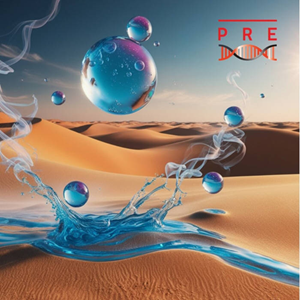
The album artwork has always been an intriguing visual counterpart to the music. What was the concept behind the cover, and how closely were you involved in its creation?
I didn’t have much input on the cover but I like it a lot. The first label created the silver spheres floating over a red desert. Definitely takes you on an out of this world journey, just like the music.
Looking back, how did audiences respond to your music when you performed live in the early 1970s?
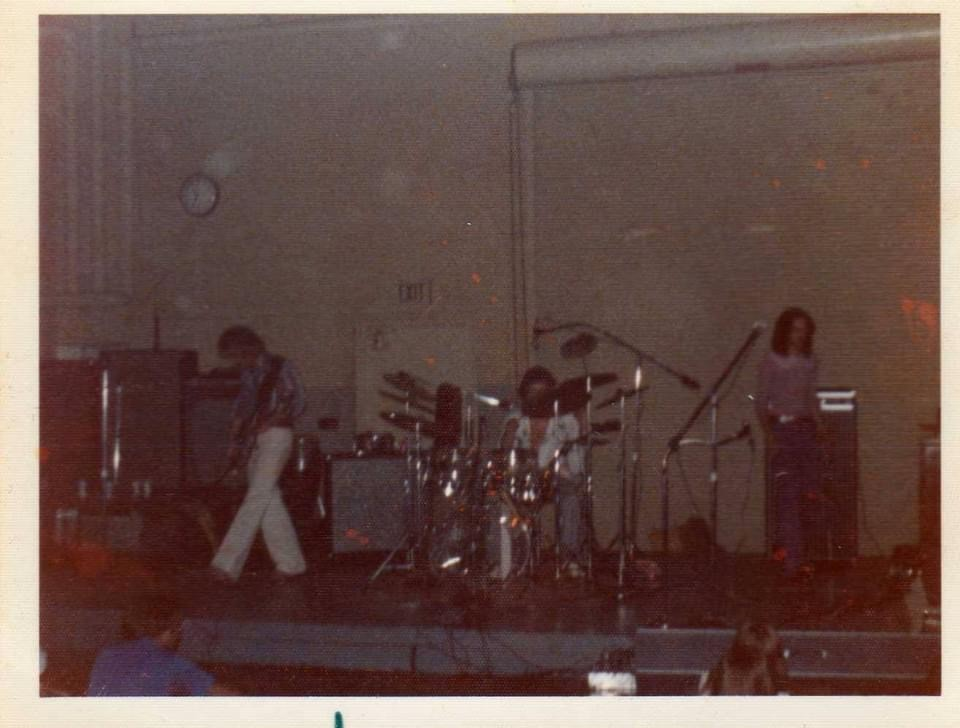
When we first played material from PRE live, audiences were captivated. We played PRE songs for an opening act gig for Climaxx Blues Band at the Univeristy of Kentucky, and I remember it was really crowded. The audience clapped and responded after every song, but it seemed like they really liked Acetic Eros a lot. I always enjoyed performing with this band, because of the level of musicianship. Brian, Dwight and Al were all great musicians and we worked at our craft to be the best.
Were the long and complex compositions well received on stage?
The compositions were well received on stage and with the crowd. We cultivated an audience that enjoyed the performances and we held their attention. I feel it’s because the compostions had many underlying themes that connected together to form one big picture. The fact that everything flowed together left very little dead air in the performances. Listeners went on the journey with us.
Do you have any particularly strong memories connected to live performances of this material, or moments that encapsulate what Pre represented as a live band?
Yes, every performance was a strong statement of the band’s musical prowess. We all were excellent musicians. The live experience is where we would shine and collectively we valued virtuosity and originality. I felt like PRE had something to say musically and culturally that was important and special. It made the band and the music feel viable, like a statement of truth for me.
The recent PQR Disques reissue marks the first time “Pre” has been made available on vinyl. How did you feel hearing the album in this format, and what does this release mean to you today?
I was excited to hear it was being released on vinyl. Vinyl and reel to reel tape were the only formats available back then, and I always loved the big album covers and artwork. To see this project from so long ago finally being released on vinyl and experience the large album artwork cover is such a treat for me. I had always dreamed of adding a PRE album to my collection. I am happy at how well the songs and production have held up, now 53 years later. It’s hard to believe!
With the benefit of hindsight, how do you view “Pre” within your overall musical legacy?
PRE was a first for me in many ways. It was my first time recording in a studio and a first time performing completely orginal music for audiences. It was my first time shopping an album to a major label. Everything was a first. It lit a fire in me that is still burning. PRE inspired me to keep writing, recording, and growing ways to get my music heard. I have never wavered in my musical endeavors. It has been my life’s work and I’m better for it.
Has its significance changed for you over time? Finally, what would you like today’s listeners—especially those discovering the album for the first time—to take away from “Pre” and from the music of Pre as a whole?
The significance has increased for me after all these years. It is a statement out of time listening to the performances and seeing pics of the artwork and song order. I am nostalgic for that young man with big dreams. I was just a teenager starting out when we recorded PRE and I will always hold that project dear to my heart. I believed in the power of music to play on your emotions and at it’s best, inspire change. I hope when people listen to it, they will hear something that connects to their life today. I hope it transports them and makes them feel good. I want people to be inspired to get lost in the enjoyment and enlightenment that music brings to the listener.
We would like to thank Pre for sharing their memories and insights into the creation of “Pre,” an album that continues to reveal new layers with each listen. This interview,together with the recent PQR Disques vinyl reissue, offers an opportunity to reassess a work that stands as a remarkable and enduring statement within American Progressive Rock history.
Purchase the album here: https://pqrdirect.my-online.store/
Read our review of the album here: [Review] Pre – Progressive Rock Experience (2026 PQR Disques LP Reissue)